Showing posts with label Schronce's Deep Black Peanuts. Show all posts

Wednesday, November 18, 2015

What Shall We Do With Our Homegrown Peanuts?

In This Post we planted some Schronce's Deep Black Peanuts in the garden.
In This Post we harvested them, and
In This Post we dried them.

Whatever shall we do with them now?  Well, we will eat them, of course, but how? Benjamin and I decided that we would parch (roast) one tray to snack on and with the other tray, we would make homemade peanut butter.  We always called them 'Parched Peanuts' growing up, but based on what I read, parched and roasted means the same thing.

Let's get the ball rolling.  We poured the dried peanuts into two baking trays and positioned the peanuts where they were only one layer deep.

Two trays of peanuts
We preheated the oven to 350 degrees and put the baking trays into the oven, setting the timer for 25 minutes.
Lovin' in the oven
About 18 minutes in, the house filled with a warm, soothing aroma of parched peanuts.  I opened the oven door to check on them and that proved to be a mistake. The kitchen filled with a little smoke coming off the peanut shells.  We didn't want them to burn, so I turned off the oven and pulled one out to test, while leaving the peanuts in the oven until the 25 minutes expired.

Parched peanuts
While some of the peanut shells look scorched, the peanuts inside were just fine, roasted, toasted, parched (or whatever you want to call them) to perfection!  We snacked on a few and then decided to shell one of the trays to make peanut butter. The first thing you do is remove the peanuts from the shell.  Then you remove the skins from the peanuts.

In the photo above and those following, the skins look black.  They aren't burnt. These are Schronce's Deep Black Heirloom Peanuts.  The peanuts themselves aren't black - the skins are.

Removing the Shells
Shelling the peanuts is the easy part.  Removing the skins is the time-consuming step.  Apparently, you don't want the skins in peanut butter.  We removed them by rolling them around in our fingers until the skins came off.

Benjamin skinning the peanuts
While we got most of them, I'll admit that my patience was growing thin toward the end.  Finally I told Benjamin, "Hey, look, I bet a few skins in our peanut butter isn't going to hurt anything."  One baking tray of parched shell-on peanuts yielded just over a cup of (mostly-skinned!) nuts.  They smell so good!

Deez Nuts!
Now comes the easy part.  Simply put them in a food processor and add a little olive oil and kosher salt.  Put the lid on the processor and pulse.  Check the consistency of the peanut mixture and add more olive oil until you achieve the viscosity you are looking for.

A little oil, a little kosher salt...
In a few minutes of pulsing, we had achieved the pinnacle of peanut perfection.  A dark brown roasted peanut butter ready to eat!  

Our work here is done!
Now most store-bought peanut butter is light brown.  Ours is very dark.  I'm not sure why, but I assume the reasons are two-fold.  First, our peanuts were parched, so the peanuts we used to make the peanut butter were darker in color.  Secondly, the black-skinned peanuts I left in probably made color darker as well.  Who cares what it looks like - it tastes great!

I took a butter knife and took a big mound of freshly made peanut butter and slathered it on top of a piece of bread:


Once I had spread it out evenly, it was time to eat.  I gave a portion to Benjamin, a portion to Tricia, and I ate the rest.

Peanut Butter Open-Faced Sandwich
Delicious!!  The one cup (plus a little bit) of peanuts yielded about a third of a pint of homemade peanut butter.  I placed it in the fridge.  Today I picked up some chocolate and I'll get out the homemade peanut butter, and...


There used to be a commercial for Reese's Peanut Butter Cups where a guy eating chocolate ran into a girl eating peanut butter.  "Hey, you got chocolate in my peanut butter!"  "Hey, you got peanut butter in my chocolate!"
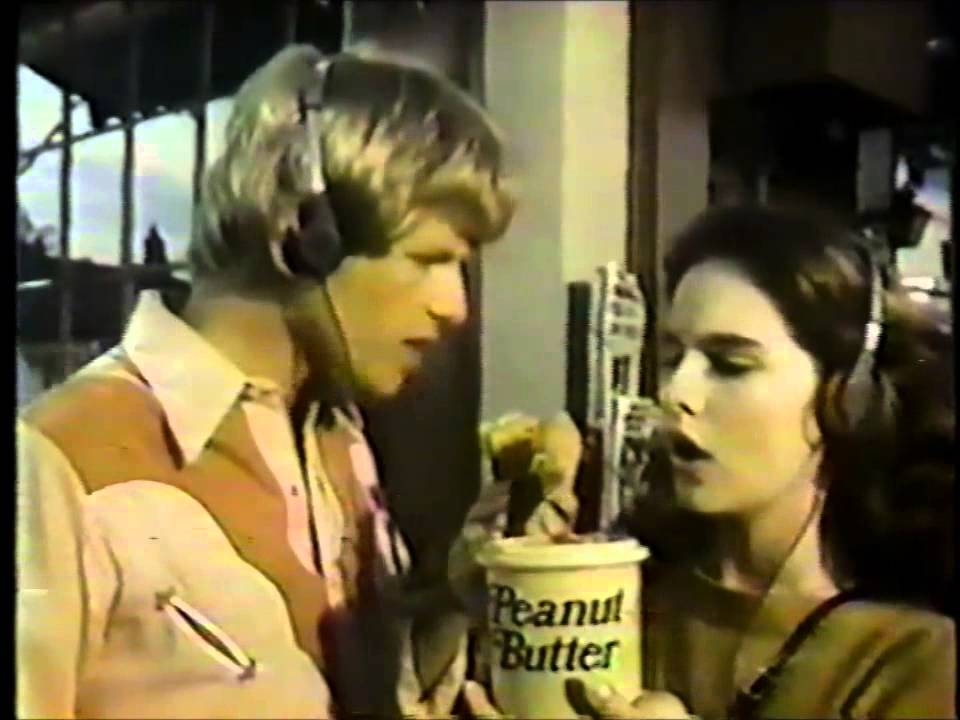
Image Credit
I'm going to recreate that commercial tonight.  That sounds good right about now!

Sunday, May 3, 2015

Planting Peanuts

By Saturday morning the ground had dried up enough after the deluge from the week prior in order to plant some additional things in the garden.  One of the first things that Benjamin and I wanted to plant was two 30 foot rows of peanuts.  This will be our second year planting peanuts and we are excited about the crop.

The first thing that we did was to take some composted chicken litter and sawdust mix that a friend gave me and pour it on top of the two rows.  This will add some fertilizer as well as some organic matter to the soil and will help make the peanuts jump out of the soil once we plant it.

Composted chicken litter and sawdust
Then we used a shovel to turn the soil over, loosening it up.  Peanuts like to grow in soil that's not packed.  All the chicken litter and sawdust was buried where it will attract earthworms and provide soil structure and nutrients that the growing peanut plant will use.


While we're talking about earthworms, almost every shovelful of dirt contained a few of these guys. Earthworms are a welcome sight in the garden as their castings fertilize the soil and their tunnels aerate the soil.  
Earthworms in the peanut rows
We are planting Schronce's Deep Black peanuts again this year.  They are an heirloom variety developed by a gentleman from North Carolina. that produce a black peanut as opposed to the normal red skins that peanuts normally have.

Seed peanuts from Southern Exposure Seed Exchange
Peanuts that you use for seeds come shipped to you in the shell.  In order to plant peanuts, you must first remove the shells, just like you do when you eat them.  I cracked one open, so that you can see the black peanuts.


Schronce's Deep Black Peanuts - Ready to plant
Benjamin helped me plant them just like last year.  When planting peanuts, you plant them 8 inches apart and 2 inches deep.  I walked ahead with a stick, making a depression in the soil between 1 1/2 - 2 inches.  Benjamin followed me, shelling the peanuts and dropping on peanut into the hole and then lightly covering them.

Planting peanuts
In teaming up to plant the peanuts, we were able to get the work done in less than half the time it would have taken doing it by myself.  I had a good helper. Hopefully, working in the garden with Benjamin will instill into him the same love for the land that I have and he'll remember working alongside his Dad and they'll prove to be fond memories.

In approximately 110 days, we will dig up this rich soil, hopefully exposing a great harvest of peanuts.  Benjamin and I will just have to be patient until then.


Friday, March 6, 2015

Making Homemade Peanut Butter from Homegrown Peanuts

Last year we told you about planting a new crop in the garden in This Post. Schronce's Deep Black Peanuts.  It was the first time that we've planted peanuts and Benjamin and I were excited about it. Since we were unfamiliar with growing peanuts, I researched and got some bad information on when to harvest and I explained it in This Post and showed our sad little yield of peanuts.  Jimmy Carter, I am not!

Anyway, after drying them, I brought them inside and have stored them.  The other night while shelling pecans in front of the fireplace, I remembered the peanuts and figured that tonight was the night that we would roast them.  Roasting peanuts is simple.  Simply heat an oven to 350 degrees and put the peanuts on a tray for 20 - 25 minutes, stirring every so often.  Our house was filled with the most appetizing aroma ever!

Peanuts roasting in the oven
Remove from the oven and cool completely.  We decided that we wanted to make our own Roasted Peanut Butter!  To do so, you need to crack open the shells and remove the peanuts.  You can see why this variety is called Shronce's Deep Black Peanuts - they are black versus red like normal peanuts.


To make peanut butter, you want to remove the skins of the peanuts.  This is easy. Just rub between your fingers and the black skins come off leaving a golden brown, roasted peanut.

We have some skin in the game
Benjamin helped me and when we were done, we had a small bowl of skinless, boneless, roasted peanuts ready to be processed.

Future Peanut Butter
We were left with a tray of peanut shells and skins and we'll compost this.  We compost most everything, putting all organic material back into the soil, ensuring that we're returning as much nutrients that we're removing each crop year so we're never at a deficit.

To the compost pile
My mom taught me the following song when I was a little boy that I'm sure she learned from her mom:

A peanut sat on a railroad track,
His heart was all a-flutter.
The five-fifteen came rushing by--
Toot toot!   Peanut butter!

Instead of using a train, we're going to use another device to make peanut butter. We don't have fancy equipment - just a simple Black & Decker food processor and we'll make use of that to make our peanut butter.

Pour the peanuts in
We turn it on an pulse continuously for a minute.  The peanuts look sort of like coarse ground grits at this point.


Then we pulse for another minute.  Now the peanuts are starting to 'clump' together. Almost, but not quite peanut butter.


We pulse for another minute and then we scrape down the sides and add a teaspoon of honey and a sprinkling of kosher salt.

Honey & Salt added
We pulse that for another minute and then use a rubber spatula to scrape the processor clean and into a bowl for consuming.  Due to our small harvest, we could have probably sat around in front of the fireplace with spoons and finished it off, but it was so good, we wanted to ration it.

Homemade Peanut Butter - the finished product!
We snacked in front of the roaring fireplace on the richly flavored, smooth, roasted peanut butter and when we each had several spoonfuls, I sat it on the counter next to the 48 ounce container of pecans I had just shelled.

Hmmmm.....
And had an idea.  If peanut butter is this delicious, what if we roasted pecans and processed them to make Roasted Pecan Butter???  Hmmmmm...  Standby for a future post about that project.  It's on the list of things to do!

Tuesday, March 25, 2014

Planting a New Crop in the Garden

Yesterday I told you about a brand new crop we were trying in our garden this year. Enough with the suspense.  Benjamin, who was given the nickname, "Peanut Man" by my Aunt Cheryl because he loves peanuts, was very excited about putting The Sonnier Family's very first crop of peanuts in the ground. We've never grown them before.  The sight below reminds me of something you might see on the ground at a football or baseball game.  The snap as you walk on them reminds me of being in an all-you-can-eat Catfish joint where they tell you that you can throw the peanut shells on the floor.

But the peanut shells you see below are on the ground in our garden after we've removed the peanuts to plant them.  Oh, these aren't your ordinary peanut either. Tricia picked these up at a Seed Exchange at the SSAWG Conference last year in Little Rock, Arkansas.  Seed exchanges are neat because everyone brings some seeds they grow and shares them.  You can always pick up something new and interesting to try. These peanuts are heirloom seeds and have a neat little history.  Now I really like interesting seeds that have a story.

Peanut Shells
The type of peanuts we're planting are called "Schronce's Deep Black Peanuts."  They are true to their name. Check a couple of them out that I have in my hand in the photo below.  To be honest, it was all Benjamin and I could do to keep from eating them right there in the garden.  But we didn't.

Schronce's Deep Black Peanuts
From the following link: Georgia Dept of Agriculture I found the following written by Arty Schronce:

It was in the fall of 1980 that Hunter Helderman (a neighbor and distant relation), gave my father, Gordon Schronce, three peanuts – three ordinary looking peanuts. Inside those shells were seven individual peanuts – seven peanuts that were not ordinary at all. Those seven peanuts had black skins instead of the more familiar red.
Daddy planted the peanuts that spring in the family garden in Iron Station, North Carolina. (He had been growing red-skinned peanuts for several years after purchasing a bushel from a local 4-H’er.) The black peanuts performed well and exhibited no particularly different traits from the red peanuts except that the plants were smaller overall. Over the years he built up his stock of black peanuts and began saving and planting only the largest peanuts with the darkest skins.
The peanuts came with no history and no promises of magic like the beans offered to Jack (and Daddy didn’t sell the family cow for them). They didn’t vine their way up to a giant’s castle or bring great riches, but they have performed magic of a sort. They have been a conversation starter, a source of pride, a teaching tool, and a delicious and nutrient-rich snack for almost three decades.
Pretty cool, huh?  I think so.  So I used my red-tape handled, 10 cent, Goodwill Store diggin' knife to dig holes at appropriate depths and Benjamin dropped the peanuts in the holes and I covered them.

Can you see the Black Peanut in the hole?
One of the peanuts we opened (sadly) had peanuts that were not black.  We're going to go ahead and plant these anyway and see what happens.  If you read the article linked above, the author tells how they are from Georgia and are big University of Georgia Bulldog fans.  They grow both red and black peanuts and mix them together for tailgate parties and Georgia Bulldog Football games since UGA's colors are red and black. Perhaps ol' Arty is trying to switch our loyalties from the Purple and Gold (LSU) or Maroon and White (Texas A&M).
Peanuts not black, but not red either...
One other interesting thing the article states about the Schronce's Deep Black Peanuts follows in this cut & paste from the same link posted above:

"Carolina Black Peanut – A rare heirloom, black-skinned peanut from North Carolina. According to food historian William Woys Weaver, the black peanut may have been used as a substitute for black bambarra. Black bambarra is important in African folk medicine as an aphrodisiac. (Whoa, now!) The North Carolina climate won't support black bambarra, but the black peanut grows there without difficulty. 'Carolina Black' produces sweet tasting, black-skinned peanuts that are slightly larger than 'Spanish' peanuts. Averages two peanuts per shell."
"I ordered some, and they closely resembled my father’s except for a slightly lighter color and smaller number of peanuts per shell. Thanks to my father’s selection process, his peanuts frequently have three or four per shell and are a deep violet-black.
I won’t speculate on how good an aphrodisiac either black bambarra or black peanuts are, but I will vouch that they have gotten a few conversations off and running. They also serve as an educational tool when my parents visit local schools and explain how peanuts grow and how George Washington Carver helped turn what was considered a minor crop into one of America’s most important foods.
I can’t detect much of a difference in flavor between red and black peanuts, except the black ones may be a tad sweeter. Daddy likes to mix red and black together and fry them in canola oil. They make an attractive as well as tasty mix. No, that is too modest. They are about the best-looking, best-tasting peanuts I have ever put in my mouth."
See what I mean about interesting crops?  As discussed earlier, Benjamin and I resisted the urge to eat the peanuts and instead planted them.  Hopefully our delayed gratification will work out and in 120 days we'll have a bountiful harvest of black peanuts - some of which we'll save for seed for next year!  But most of them, well, The Peanut Man and I will consume!
Related Posts Plugin for WordPress, Blogger...